RPAS / UAV Career Roadmap: A Complete Guide to Becoming a Remote Pilot
admin · 23 November 2026
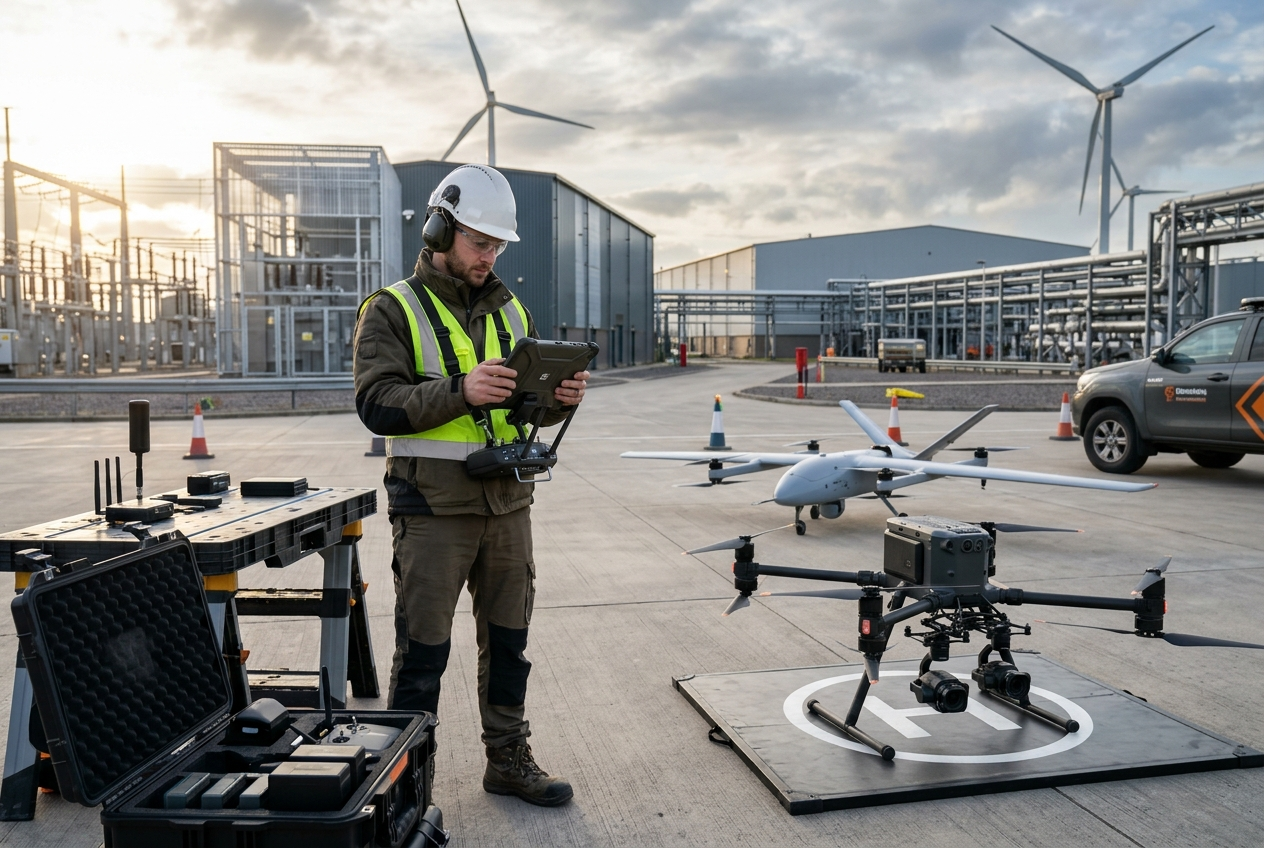
The Remotely Piloted Aircraft Systems (RPAS) and Unmanned Aerial Vehicles (UAV) industry is rapidly transforming the aerospace sector. From industrial infrastructure inspection to precision agriculture and geomatics, the demand for certified remote pilots is at an all-time high. This roadmap outlines the essential pathways to building a successful career in the UAV industry.
1. Understanding the Industry & Classification
Before entering the field, it is crucial to understand the diverse nature of unmanned aviation. Aircraft are generally classified by their operational flight dynamics:
- Multirotor: Highly maneuverable, ideal for localized aerial cinematography and close-range structural inspections.
- Fixed-Wing: Designed for long-endurance missions, mapping, and large-scale agricultural surveys.
- Hybrid VTOL (Vertical Take-Off and Landing): Combines the vertical agility of multirotors with the efficiency and range of fixed-wing aircraft.
2. Education & Academic Pathways
While vocational training is the standard entry point, many professionals pursue specialized aerospace diplomas or degrees. A strong foundation in physics, mathematics, and electronics is highly advantageous.
3. ATO Ground School & Flight Operations Syllabus
To operate professionally, you must attend an Approved Training Organization (ATO). The curriculum typically covers:
- Air Law & Regulations: Understanding ICAO standards and local civil aviation authority mandates.
- Meteorology: Interpreting weather reports, understanding micro-climates, and safe flight planning.
- Aerodynamics: Principles of flight specific to unmanned platforms.
- Telemetry & Avionics: Managing data links and understanding onboard system health.
- Autopilots (ArduPilot / PX4): Advanced mission planning, waypoints, and Emergency Failsafe/RTL (Return to Launch) configurations.
4. Regulatory Certification & Licensing
Obtaining a Remote Pilot License is mandatory for commercial operations. This process generally includes:
- Completion of the theoretical ground school.
- Passing the national civil aviation authority examination.
- Completing flight proficiency assessments (OJT – On-the-Job Training).
- Registering the aircraft with the national authority for specific operational categories.
5. Industry Applications
Specialization is key to career longevity. Key sectors currently seeking certified professionals include:
- Geomatics: Utilizing LiDAR and photogrammetry for high-precision surveying.
- Energy Infrastructure Inspection: Utilizing thermal and optical sensors for wind turbine and power grid maintenance.
- Precision Agriculture: Multispectral imaging for crop health monitoring.
- Aerial Cinematography: Professional filming for entertainment and media.
Are you ready to launch your career in the skies? Stay updated with the latest EASA and ICAO regulations to ensure safe and compliant operations in this evolving field.