Part-66 B1 Aircraft Maintenance Engineer: Essential Complete Career Guide (2025)
admin · 23 November 2026
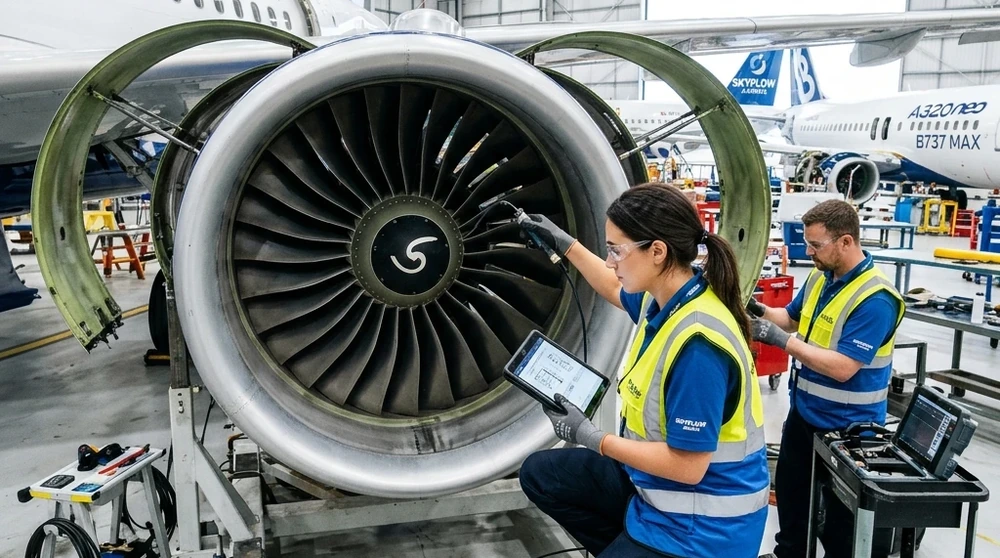
Airworthiness and flight safety depend entirely on the precision and expertise of aircraft maintenance engineers before engine start and after landing. Under international standards such as EASA and local Civil Aviation Authority (CAA) frameworks, the Part-66 B1 Aircraft Maintenance Engineer license grants technical authority over aircraft structures, powerplants, and mechanical systems. B1 engineers hold the ultimate responsibility of issuing the Certificate of Release to Service (CRS).
1. Introduction and Technical Scope of Part-66 B1
The Part-66 B1 license category covers mechanical maintenance for aircraft powerplants (turbine and piston engines), airframes, hydraulics, pneumatics, environmental control systems (ECS), flight controls, and fuel systems. Unlike general technical roles, a licensed B1 engineer holds legal certification rights to inspect, maintain, and clear aircraft for operational flight.
2. Prerequisites and Entry Qualifications
Entering the part 66 b1 aircraft maintenance engineer career track requires a solid foundation in STEM disciplines and physical aptitude:
- Educational Background: High school diploma with emphasis on Mathematics and Physics, or a specialized secondary aviation technical diploma.
- Technical Aptitude: Strong mechanical comprehension, high attention to detail, proficiency in reading technical schematics, and structured teamwork under tight line-maintenance turnarounds.
- Physical & Medical Fitness: Excellent physical condition, strong spatial awareness, and full visual acuity with zero color blindness (assessed via aviation technical medical clearance).
- Technical Aviation English: All major maintenance documentation—including Aircraft Maintenance Manuals (AMM), Structural Repair Manuals (SRM), and Illustrated Parts Catalogs (IPC)—is written in standard technical English. Fluency is mandatory.
3. Comparison of Training Pathways: High School vs University vs MTO
Aspiring aircraft engineers can choose from three main educational entry points:
| Pathway | Core Focus & Strengths | Licensing Limitation / Next Steps |
|---|---|---|
| Aviation Technical High School | Exceptional hands-on workshop experience in sheet metal work, safety wiring, tooling, and basic aircraft systems from Grade 10. | Requires completing Part-147 basic module examinations and OJT experience. |
| Academic Degree (B.Sc. Aerospace / Maintenance) | Strong theoretical engineering foundation, fluid dynamics, stress analysis, and structural mechanics. | University degrees alone do not grant certifying rights without passing CAA/EASA Part-66 modular exams. |
| Approved Training Organizations (MTO / Part-147) | Direct basic training covering all Part-66 modules with CAA-approved theoretical and practical hours (~2,400 hours). | Fastest direct route to basic exam completion and eligibility for On-the-Job Training (OJT). |
4. Standard Part-66 Basic B1 Exam Modules
To qualify for a basic license, candidates must pass comprehensive modular examinations governed by international civil aviation standards such as EASA Part-66 Maintenance Engineer Licensing Standards and national CAA airworthiness regulations:
- Module 1: Mathematics (Applied Aviation Math)
- Module 2: Physics (Classical Mechanics & Thermodynamics)
- Module 3: Electrical Fundamentals
- Module 4: Electronic Fundamentals
- Module 5: Digital Techniques & Electronic Instrument Systems
- Module 6: Materials and Hardware (Metals, Composites, Fasteners)
- Module 7A: Maintenance Practices (Standard Tools, Safety Procedures, Inspections)
- Module 8: Basic Aerodynamics
- Module 9A: Human Factors (Aviation Safety, Error Management, Stress Control)
- Module 10: Aviation Legislation (ICAO, CAA, Air Law, ICAO Annex 8 Airworthiness of Aircraft)
- Module 11A / 11B: Turbine / Piston Aeroplanes Structures, Systems, and Aerodynamics
- Module 15 / 16: Gas Turbine Engines / Piston Engines
- Module 17: Propellers and Turboprop Systems
5. Step-by-Step Pathway to License and OJT Completion
- Complete Part-147 Basic B1 Training: Complete approximately 2,400 hours of approved theoretical instruction and practical benchwork.
- Pass CAA / EASA Modular Examinations: Achieve passing grades (75%+ pass mark) in all required written modules.
- Complete On-the-Job Training (OJT) & Logbook: Accumulate 2 to 3 years of documented, practical maintenance experience under certified engineers in an approved Part-145 MRO or airline facility.
- Basic B1 License Issuance: Submit completed logbooks and practical task records to the Civil Aviation Authority for official license authorization.
6. Industry Career Progression and Operational Roles
Holding a basic B1 license allows candidates to advance through specialized industry roles:
Aircraft Type Rating Training
Engineers undergo intensive type-specific courses (theoretical and practical) on modern airframes such as the Airbus A320 Family or Boeing 737 Series to gain endorsement for specific engine-airframe combinations.
Certificate of Release to Service (CRS) Certification
Once endorsed with a type rating, the engineer gains legal authorization to sign off work packages and release aircraft into revenue service.
Key Industry Job Roles
- Line Maintenance Engineer: Conducts pre-flight inspections, rapid turnaround troubleshooting, and daily maintenance checks directly on the airport ramp.
- Base / Heavy Maintenance Engineer: Performs deep structural inspections, C-checks, D-checks, engine changes, and major overhauls in dedicated MRO hangars.
- Quality Control (QC) Inspector: Ensures all maintenance activities strictly comply with manufacturer manuals and CAA safety directives.
- CAMO & Quality Assurance Specialist: Manages continuous airworthiness maintenance management, aircraft status monitoring, and regulatory compliance.