Aviation Resume Writing Guide
admin · 22 نوامبر 2026
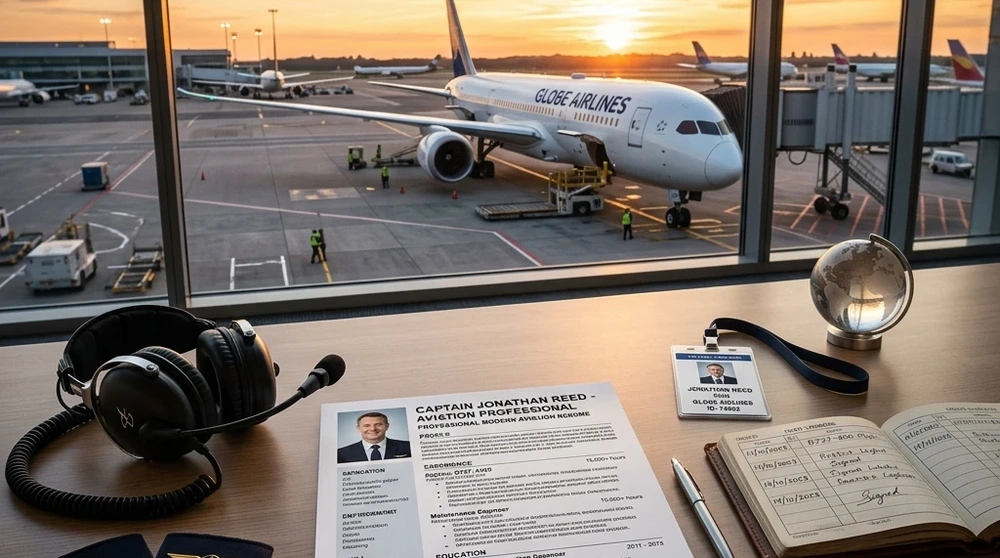
Navigating the global aviation industry requires more than just technical competence; it demands a professionally structured resume that immediately communicates your regulatory compliance, licenses, and operational experience to recruiters at major international airlines, MROs, and aviation authorities.
1. The Anatomy of an Aviation Resume
Unlike corporate resumes, an aviation CV must follow a strict, compliance-oriented hierarchy. Recruiters at airlines regulated by ICAO, EASA, or the FAA look for specific credentials right at the top of the first page.
- Personal & License Header: Full name, contact details, permanent address, and active CAO/EASA license numbers.
- Medical Certification: Class 1 (for pilots) or Class 2/Medical certificate status and validity dates.
- Ratings & Endorsements: Type ratings, instrument ratings, and specialized maintenance approvals (Part-145).
2. Highlighting Certifications and Licenses
Your license is your license to operate—literally. Failing to properly display your licensing details is the #1 reason aviation resumes get rejected by automated ATS (Applicant Tracking Systems) and HR screeners.
Pro Tip: Global Standard Alignment
Always specify the issuing Civil Aviation Authority (CAA) and whether your certificate complies with ICAO Annex 1 standards. For example: “EASA Part-FCL ATPL (A) issued by UK CAA – Licence No: 123456X”.
3. Tailoring for Specific Aviation Sectors
For Pilots & Flight Operations
Highlight total flight hours, PIC (Pilot in Command) hours, turbine vs. piston time, multi-engine hours, and specific aircraft type ratings (e.g., Airbus A320, Boeing 737NG).
For Aircraft Maintenance Engineers (Part-145)
Emphasize your category approvals (A, B1, B2, C), specific aircraft maintenance experience, company authorizations, and familiarity with Safety Management Systems (SMS).
For Cabin Crew
Focus on safety training, emergency evacuation drills, first aid certifications, customer service excellence in high-stress environments, and multilingual capabilities.
4. Soft Skills & Safety Culture
Modern airlines place immense value on Human Factors and Safety Culture. Mention your dedication to Crew Resource Management (CRM), Threat and Error Management (TEM), and uncompromising attention to detail.
Conclusion
A well-crafted aviation resume opens doors to global career opportunities. By structuring your licenses, operational experience, and safety background clearly, you position yourself as a top-tier candidate in the competitive aerospace industry.